The use of photoelectric sensors in garage doors can prevent accidents and improve safety.
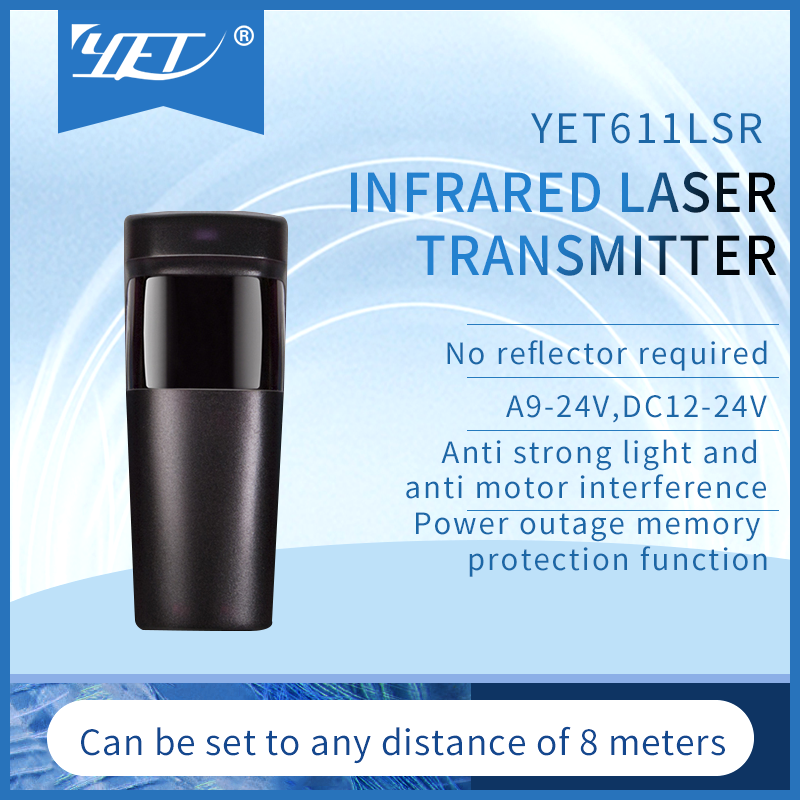
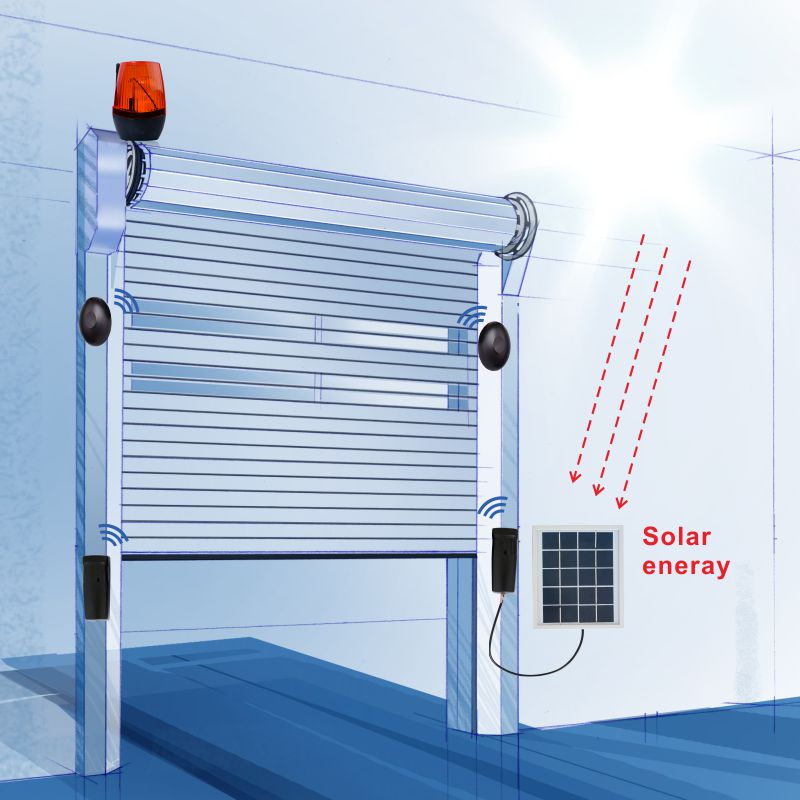
Photocell sensors (also called photoelectric sensors or safety beams) are primarily used in garage doors to prevent accidents and enhance safety.
Here’s why they are essential:
1. Prevents Door from Closing on Obstacles
Photocells create an invisible beam between a transmitter and receiver.
If anything (a person, pet, or object) interrupts this beam while the door is closing, the door automatically stops and reverses, preventing injury or damage.
2. Required by Safety Regulations
Many countries (like the U.S. under UL 325 standards) mandate photocells in automatic garage doors to avoid entrapment hazards.
Without them, the door could crush someone, leading to serious injuries or even fatalities.
3. Works with Other Safety Features
Photocells complement the auto-reverse mechanism (which detects pressure).
While auto-reverse relies on physical contact, photocells act before contact happens, providing an extra layer of protection.
4. Prevents Property Damage
If a car, bike, or tool is left in the door’s path, the photocell stops the door from crushing it.
5. Simple and Reliable Technology
Infrared beams are not affected by weather (rain, snow, or dust) as long as lenses are clean.
They have no moving parts, making them durable and low-maintenance.
Where are photocells installed?
Typically placed 4–6 inches above the floor on both sides of the garage door.
Must be aligned properly; misalignment can cause malfunction.
What Happens If Photocells Fail?
The garage door won’t close (a safety feature) until the beam is restored. Some doors allow a temporary override, but this is unsafe and not recommended.
Alternative Safety Systems
Laser sensors (more precise but expensive)
Pressure-sensitive edges (react upon contact)
Camera-based systems (emerging tech)


New Design Mini size Universal 1 Channel 2 Channel Receiver YET477-1/YET477-2
SE 2194 Rechargeable Type-C Remote Control Sliding/Garage/Auto Gate/Door Transmitter
Related Article