The Application and Extension of 79G Straight - pole Radar for Barriers (Model YET - IWD - 300) in Diverse Scenarios

1. Introduction
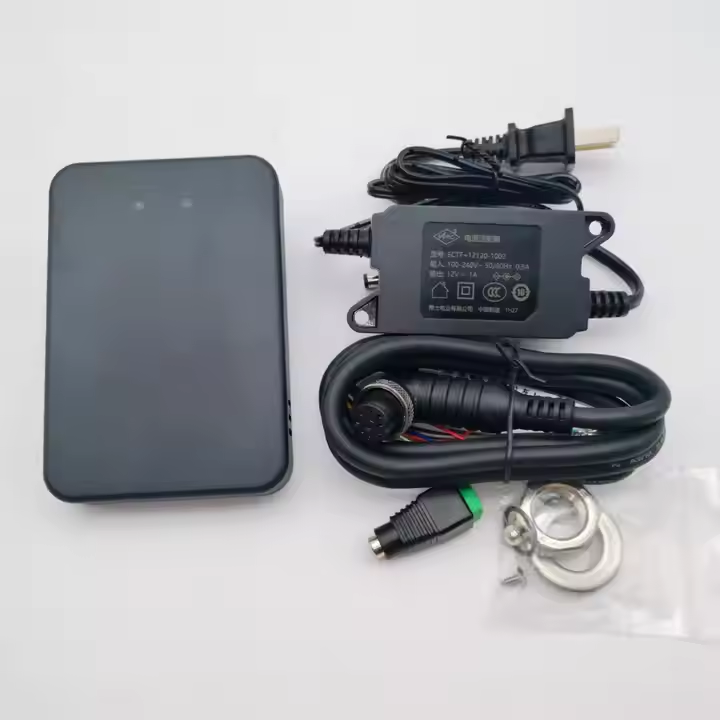
The 79G straight - pole radar for barriers, model YET - IWD - 300, is a specialized device designed for vehicle detection in barrier systems.
With features such as relay output, a working frequency of 79G, and a working voltage range of 10 - 16VDC, it offers reliable performance in various application scenarios. This article will explore the different application scenarios of this radar and discuss its potential for application extensions, aiming to showcase its wide - reaching utility and future possibilities.
2. Radar Description
The YET - IWD - 300 radar operates at a high frequency of 79G, which allows for precise and rapid detection of vehicles.
The high frequency enables it to provide detailed information about the position, speed, and movement of vehicles within its detection range. The relay output is a crucial feature as it allows the radar to interface with other components in the barrier system, such as the barrier controller. When the radar detects a vehicle, it can send a signal through the relay output to trigger the opening or closing of the barrier.
The working voltage range of 10 - 16VDC makes the radar compatible with a variety of power sources commonly used in barrier systems. This flexibility in power supply ensures that the radar can be easily integrated into different installations without the need for complex power - conversion mechanisms.
3. Application Scenarios
3.1 Parking Lots
In parking lots, the YET - IWD - 300 radar plays a vital role in vehicle access control. At the entrance of a parking lot, the radar is installed above or near the barrier. When a vehicle approaches the barrier, the radar detects the presence of the vehicle through its 79G frequency - based sensing technology. The radar's high - frequency operation allows it to quickly and accurately identify the vehicle, even in situations where the vehicle is moving at a relatively high speed.
Once the vehicle is detected, the radar sends a signal via the relay output to the barrier control system, which then opens the barrier to allow the vehicle to enter. At the exit of the parking lot, the process is similar. The radar detects the vehicle as it approaches the exit barrier, and the barrier is opened after the necessary payment or access - verification procedures are completed.
3.2 Toll Gates
At toll gates on highways and expressways, the YET - IWD - 300 radar is an essential component for vehicle detection. When a vehicle approaches the toll - collection area, the radar detects the vehicle and sends a signal to the toll - collection system. This signal can be used to trigger the identification of the vehicle, such as through an electronic toll - collection (ETC) system.
The high - frequency operation of the radar ensures that it can detect vehicles accurately, even in adverse weather conditions such as rain, fog, or snow. This is crucial for maintaining the smooth flow of traffic at toll gates. The relay output of the radar allows for seamless integration with the toll - collection equipment, enabling the automatic opening and closing of the toll - gate barriers.
3.3 Industrial and Commercial Entrances
In industrial and commercial areas, such as factories, warehouses, and business parks, the YET - IWD - 300 radar is used for security and access control. At the main entrances of these facilities, the radar is installed to detect the presence of vehicles. Only authorized vehicles are allowed to enter the premises, and the radar helps in ensuring that the barrier is opened only for legitimate vehicles.
The radar's high - frequency detection capabilities make it suitable for detecting different types of vehicles, from small cars to large trucks. This is important in industrial and commercial settings where a wide variety of vehicles may need to access the facilities. The relay output of the radar can be integrated with the security - access control system, which may include features such as vehicle - license - plate recognition and access - permission verification.

3.4 Residential Communities
In residential communities, the YET - IWD - 300 radar is used to enhance security and convenience. At the main entrances of gated communities, the radar detects vehicles as they approach the barriers. This allows for the automatic opening of the barriers for residents' vehicles,while also preventing unauthorized access.
The radar's ability to detect vehicles accurately ensures that there are no false alarms or missed detections. This provides a high level of security for the residents. Additionally, the radar can be integrated with other security features in the community, such as surveillance cameras and access - control cards. This creates a more comprehensive security system that protects the residents and their property.
3.5 Airport and Seaport Access Control
At airports and seaports, the YET - IWD - 300 radar is used for strict access control of vehicles. These areas have high - security requirements, and the radar plays a crucial role in ensuring that only authorized vehicles are allowed to enter restricted areas.
The radar's high - frequency operation allows it to detect vehicles accurately, even in complex and busy environments. It can distinguish between different types of vehicles, such as airport - service vehicles, cargo - handling vehicles, and passenger - transport vehicles. The relay output of the radar can be integrated with the advanced security - access control systems used in airports and seaports, which may include biometric - authentication and multiple - level - permission verification.
4. Application Extensions
4.1 Integration with Smart City Infrastructure
One of the most promising application extensions of the YET - IWD - 300 radar is its integration with smart - city infrastructure. In a smart - city environment, the radar can be part of a larger network of sensors and devices that are used for traffic management, security, and resource optimization.
For example, the radar's vehicle - detection data can be combined with data from other sensors, such as traffic - flow sensors and environmental sensors. This integrated data can be used to create real - time traffic models, which can be used to optimize traffic - light timings, reduce congestion, and improve overall traffic flow in the city.
4.2 Use in Autonomous Vehicle - Enabled Environments
With the development of autonomous vehicles, the YET - IWD - 300 radar can play a role in creating a more seamless and safe environment for these vehicles. In areas where autonomous vehicles are operating, the radar can be used to provide additional vehicle - detection information.
For example, at intersections or entrances where autonomous vehicles need to interact with barriers or other traffic - control devices, the radar can detect the presence of other vehicles (both autonomous and non - autonomous). This information can be used by the autonomous vehicle's control system to make more informed decisions about navigation and maneuvering.
4.3 Expansion for Perimeter - Security Applications
The YET - IWD - 300 radar can be expanded for use in perimeter - security applications beyond barrier control. In large industrial facilities, military bases, or high - security government buildings, the radar can be used to detect the presence of unauthorized vehicles near the perimeters.
By installing multiple radars along the perimeters, it is possible to create a comprehensive detection zone. The radar can detect vehicles approaching the perimeter from a distance, and the relay output can be used to trigger security - alert systems, such as alarms and surveillance - camera activation.
4.4 Integration with Internet of Things (IoT) Platforms
Integration with Internet of Things (IoT) platforms is another significant application extension for the YET - IWD - 300 radar. By connecting the radar to an IoT platform, it can share its vehicle - detection data with other IoT devices and systems.
For example, in a smart - building or smart - campus environment, the radar's data can be used in combination with other IoT - enabled sensors, such as occupancy sensors and energy - management sensors. This integrated data can be used to optimize the use of resources, such as energy and parking spaces.
5. Conclusion
The 79G straight - pole radar for barriers (model YET - IWD - 300) has demonstrated its wide - ranging utility in various application scenarios, from parking lots and toll gates to industrial and residential areas. Its features, such as relay output, high - frequency operation, and a suitable working - voltage range, make it a reliable and efficient device for vehicle detection in barrier systems.
The potential for application extensions, such as integration with smart - city infrastructure, use in autonomous - vehicle - enabled environments, expansion for perimeter - security applications, and integration with IoT platforms, further showcases its versatility and future - proof nature.
As technology continues to evolve, the YET - IWD - 300 radar is likely to play an even more significant role in creating more intelligent, secure, and efficient access - control and traffic - management systems.

A New Experience in Smart Remote Control: The 2130AIO Multi-Function Duplicator, Bringing Convenience Within Reach
How to choose a suitable garage door remote control?
Related Article