How is the radio remote control applied in daily life?
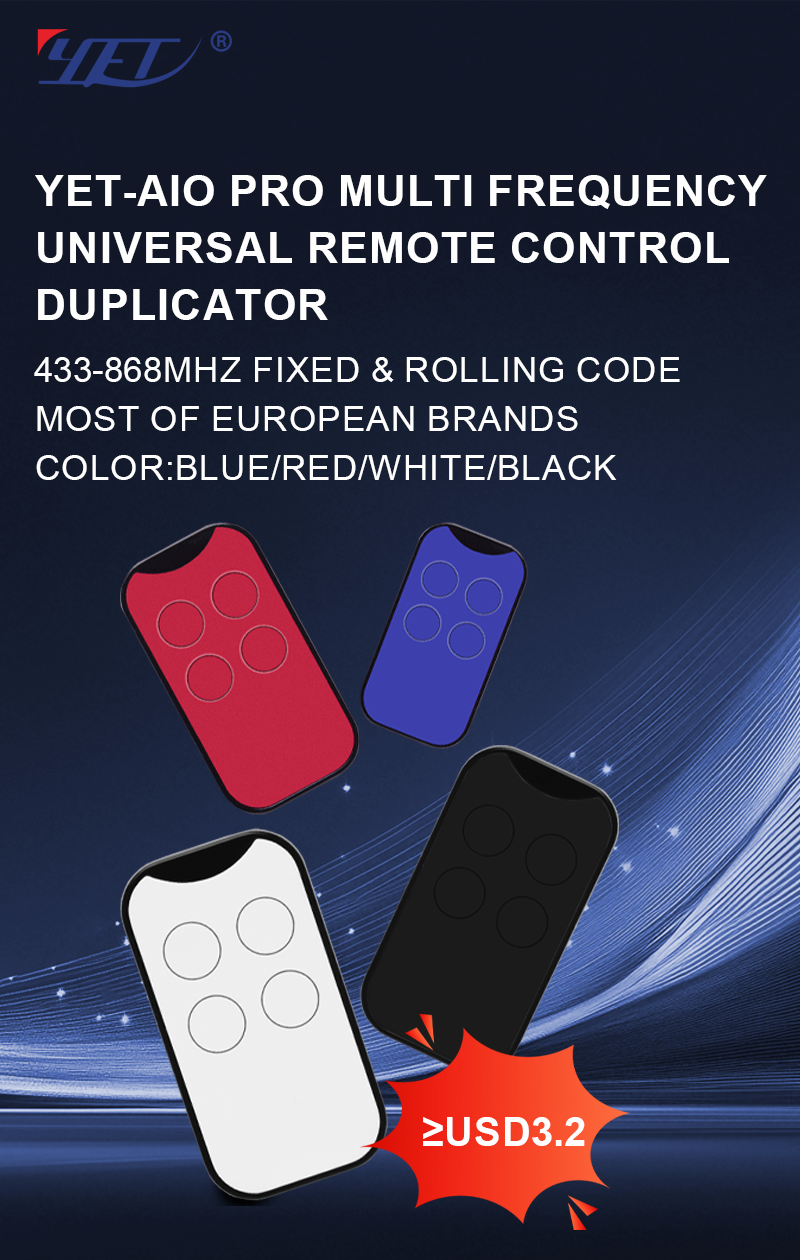
Radio remote control is a device that controls equipment non-contactually using radio waves, and it is widely used in daily life and industrial fields.
I. Core Usage Instructions
Using a wireless remote control generally follows these common steps, but please refer to the product manual for specific instructions:
1. Preparation
- Check the power supply: Ensure the remote control and the controlled device (such as the receiver) have sufficient power or have batteries installed. Remote controls typically use button batteries (such as CR2032,CR2016) or AA/AAA batteries.
- Confirm frequency and coding: Ensure the remote control and receiver operate on the same radio frequency (commonly 315MHz, 433MHz, 868MHz) and have matching coding. Newly purchased sets are usually pre-coded. When purchasing separately, "pairing" or "learning" may be required.
2. Key Step: Pairing (Code Matching)
This is the process of allowing the receiver to recognize and remember the signal of a specific remote control. There are various methods, commonly including:
- Pairing Button: Press the pairing button on the receiver (often a small hole or button). After the indicator light flashes rapidly, press the desired button on the remote control to be paired. A steady or slow-flashing indicator light indicates success.
- Power-on Pairing: Within a short time after powering on the receiver (e.g., 10 seconds), press the remote control button to pair.
- Jumper Pairing: Short-circuit the pairing jumper pins on the receiver, then press the remote control button.
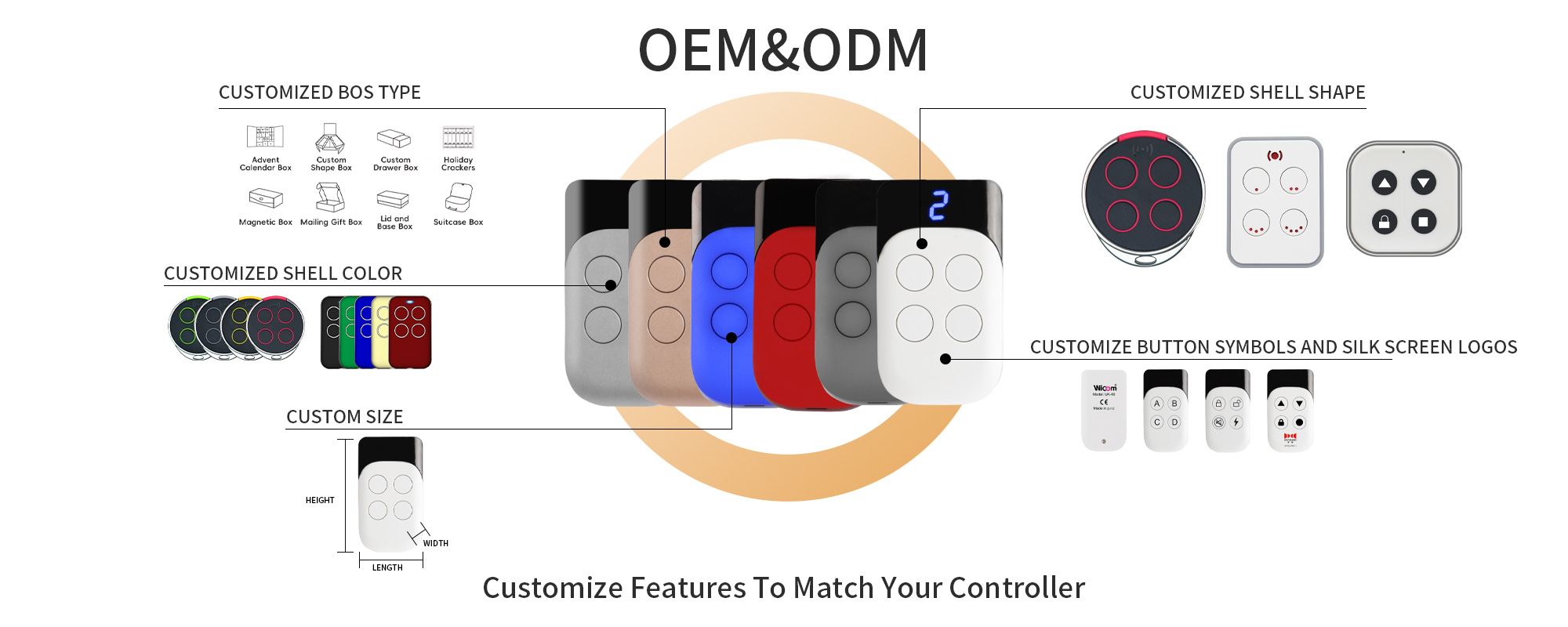
- Using a cloner Remote Control: Some universal remote controls require a "copy" function to copy the signal from the original remote control.
3. Daily Use
After successful pairing, within the effective range (affected by power and obstacles, usually tens to hundreds of meters), you can control the device by pressing the corresponding button on the remote control.
Some remote controls have modes such as momentary (press to activate, release to stop), latching (press once to turn on, press again to turn off), and interlocking (only one button can be active at a time).
4. Safety Precautions
Avoid interference: Keep away from large metal objects and strong electromagnetic sources. Using the 2.4GHz frequency band provides stronger anti-interference capabilities.
Note the distance: The actual operating distance will be shorter than the nominal "open field distance," as buildings and walls will attenuate the signal.
Prevent accidental activation: Some remote controls have a "safety lock" button or require a combination of buttons to activate, preventing accidental operation.
Compliant use: Use the frequency band and power allowed by the laws and regulations of your country/region.
II. Main Application Scenarios
Due to their wireless and convenient features, radio remote controls have permeated various industries:
1. Smart Home and Daily Life
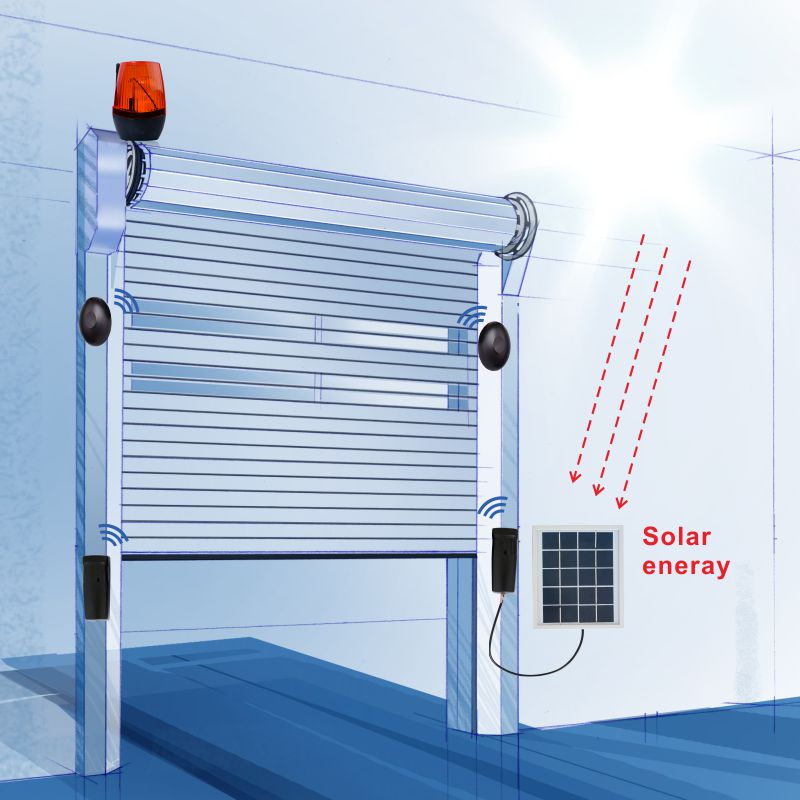
Garage door/roller shutter remote control: One of the most common applications, controlling the opening and closing of doors.
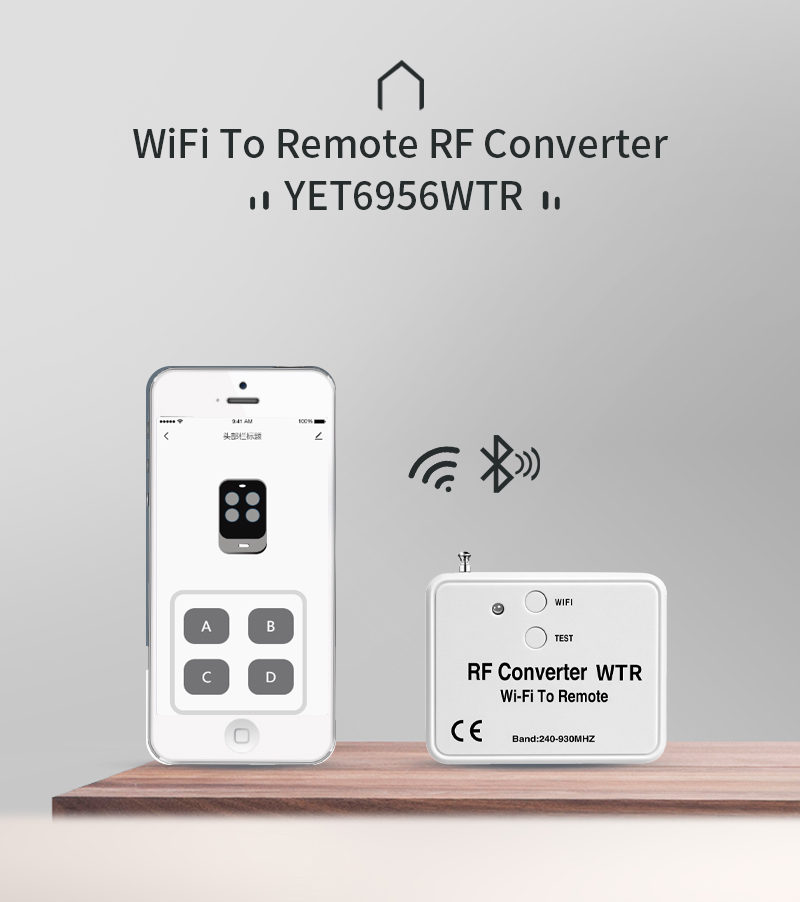
Smart home control: Controlling lights, curtains, sockets, air conditioners, fans, etc. Can be integrated with mobile apps to enable scene-based automation.
Toy models: Remote-controlled cars, boats, airplanes, drones, etc. The 2.4GHz frequency band is mainstream due to its anti-interference capabilities and ability to support multiple devices simultaneously.
Pet management: Remote-controlled pet feeders and training devices (such as anti-barking devices and trackers).
2. Security and Industrial Control
Security Alarm Systems: Arming, disarming, and emergency calls.
Access Control Systems: Remotely opening gates and barriers for residential areas, factories, and warehouses.
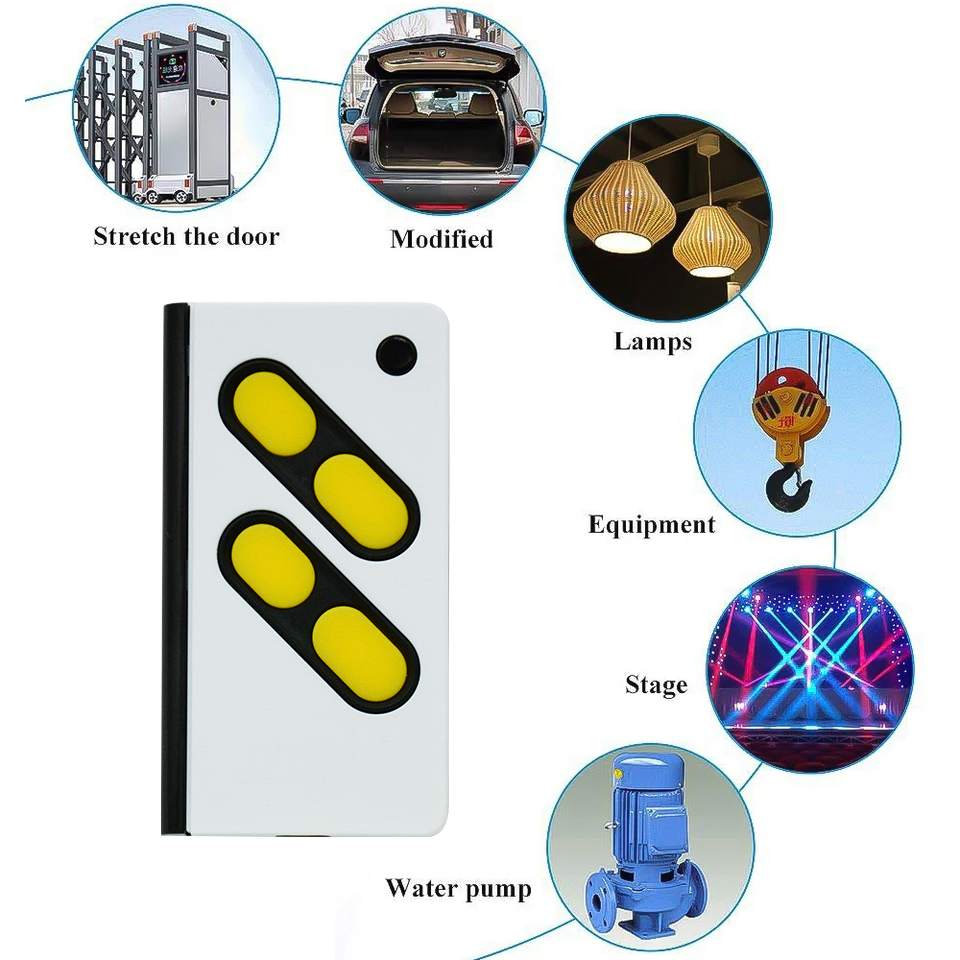
Industrial Equipment: Remotely controlling overhead cranes, hoists, water pumps, agricultural machinery, etc., allowing operators to work from a safe distance or with an optimal view.
Stage and Audiovisual Equipment: Controlling stage lighting, curtains, projectors, and slide presentations (PPT clicker).
3. Automobiles and Transportation
Car Keys: Keyless entry, remote unlocking/locking, vehicle location, remote start.
Motorcycles/Electric Vehicles: Remote unlocking, anti-theft alarm.
Special Vehicles: Remote control of auxiliary equipment for engineering vehicles such as tow trucks and concrete pump trucks.
4. Other Professional Fields
Photography and Videography: Used as a wireless shutter release for long-distance shooting or to prevent camera shake.
Aviation and Maritime: Used for remote control and status monitoring of equipment such as navigation lights and lighthouses.
Agriculture: Used for remote control of irrigation valves and large agricultural machinery.
III. Summary
When using wireless remote controls, correct pairing is crucial for success. The appropriate frequency, encoding method, and product should be selected based on the control distance, environmental interference, safety requirements, whether status feedback is needed, and the type of controlled equipment.
Multi frequency remote control (YET2130AIO/YET2228AIO)
Applications and Advantages of the New upgraded Photocell YET616
Related Article