Universal controller
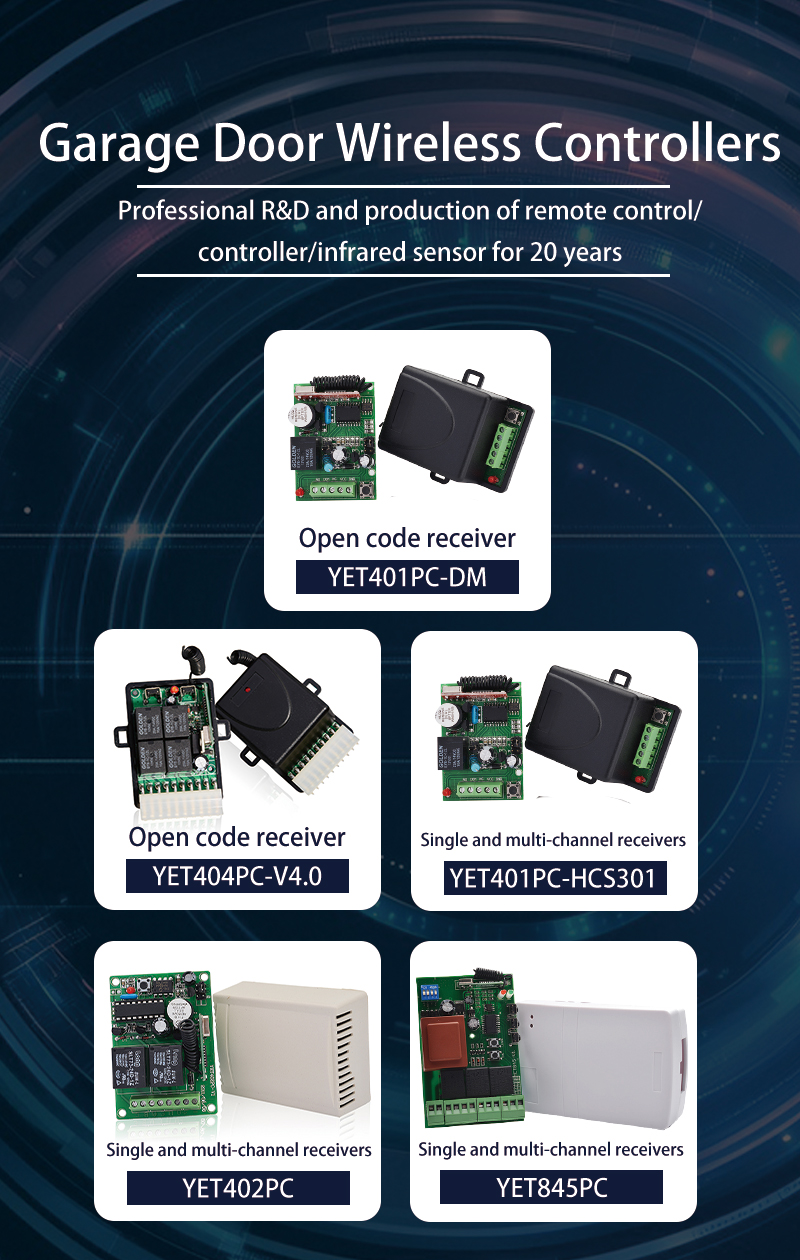
Universal Controllers (commonly used as wireless receivers for barrier gates, rolling shutters, and garage doors) are designed for multi-protocol compatibility and self-learning pairing. Key technical features of these universal units include:
1. Multi-Protocol Compatibility
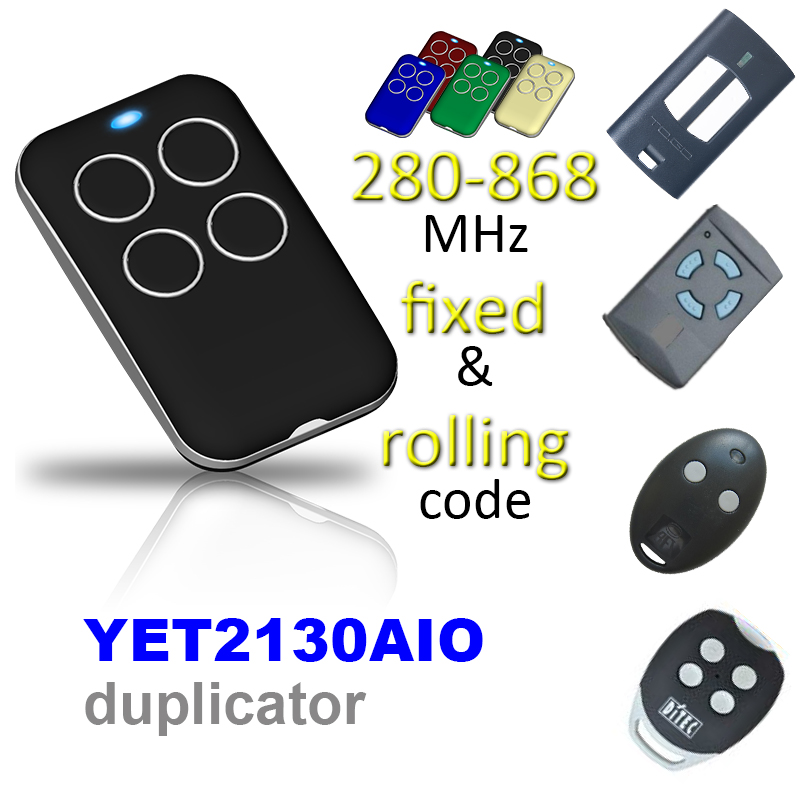
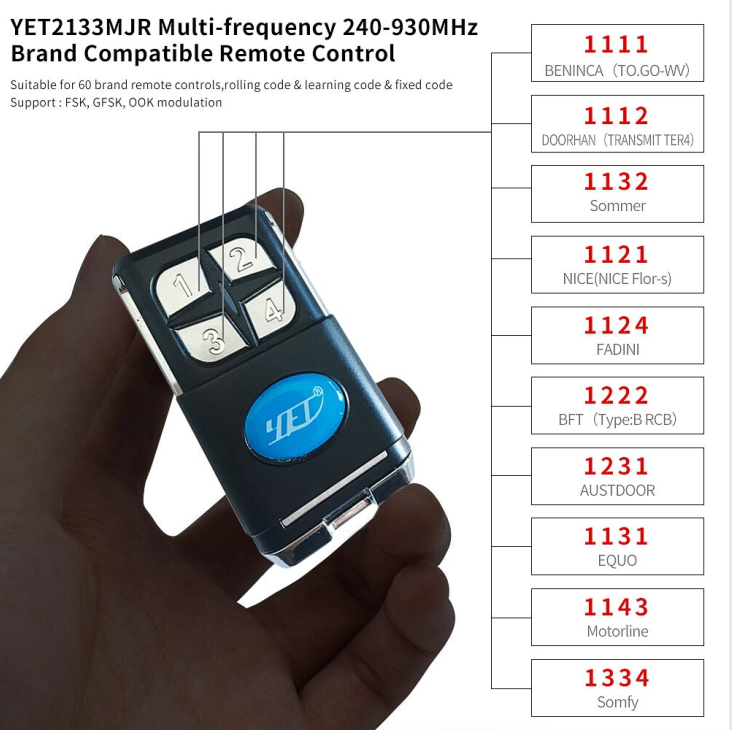
Supports fixed codes, learning codes, and rolling codes (hopping codes). Compatible with the encoding formats of most remote controls on the market (such as 2262, EV1527, HCS301, etc.). There is no need to distinguish between original manufacturer encoding protocols; a single unit can replace multiple specialized controllers.
2. Automatic Learning and Pairing
Supports one-touch self-learning for remote controls—no computer programming or manual soldering required. Also supports clearing all codes or deleting individual codes, simplifying maintenance and allowing for on-site remote control pairing.
3. Multi-Frequency Support
Primarily supports 433MHz, with some high-end models also covering 868MHz. This adaptability to different frequencies helps reduce the variety of inventory items that need to be stocked.
4. Secure Anti-Copying Mechanism
In rolling code mode, the transmitted code changes dynamically with every use, preventing interception and replay attacks. The system distinguishes between standard learning codes and encrypted rolling codes, balancing broad compatibility with high security.
5. Wide Voltage Range and High Environmental Adaptability
Generally supports a wide AC/DC 12–24V power supply range and includes protection against overcurrent, short circuits, and reverse polarity. Certain outdoor-rated models feature moisture resistance and a wide operating temperature range, making them suitable for exposed installations like barrier gates and garage doors.
6. Flexible Output
Features relay dry-contact outputs, allowing for direct connection to the main control boards of gate operators or barrier gates. Multi-channel versions support independent control of two or more channels, enabling separate operations such as opening, closing, or locking. Core Value: Replaces various original-manufacturer receivers and is compatible with remote controls using different encoding schemes.
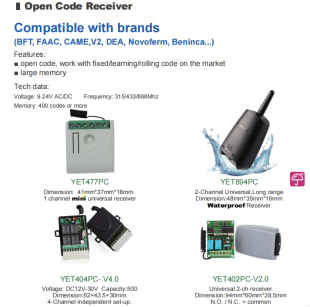
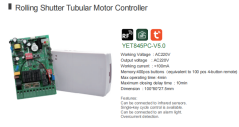
Use cases include:
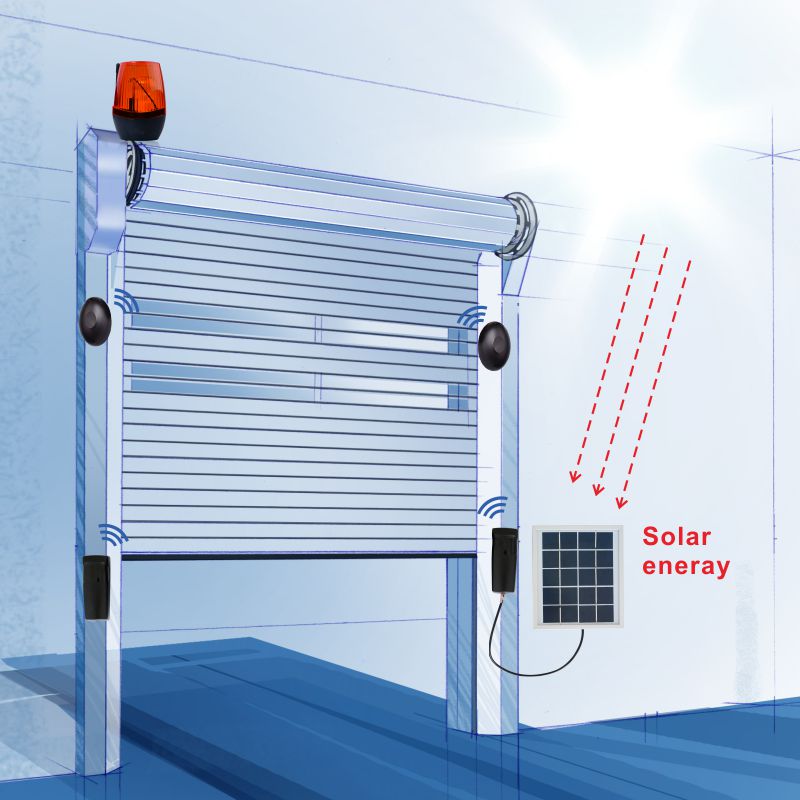
1. Parking lot and residential community entrance/exit barriers: Ideal for facility upgrades or repairs to legacy barrier systems; eliminates the need to identify the original manufacturer’s encoding, allowing for the mixed use of new and old remote controls.
2. Garage doors, overhead sectional doors, and residential courtyard gates: Supports multiple remote controls for a single household and serves as a replacement for faulty original receiver boards.
3. Commercial rolling shutters, retractable gates, and sliding gates: Enables the addition or replacement of remote control functionality for electric doors in retail stores and warehouses.
4. Access control systems, pedestrian turnstiles, and electronically controlled locks: Facilitates wireless remote access and temporary authorization.
Key Advantages (Common to both types of universal controllers):
1. High Compatibility and Versatility: Eliminates the need to match specific original-manufacturer models. Compatible with a wide range of encoding schemes and communication protocols, allowing one unit to replace various proprietary controllers. Simplifies repairs and upgrades by removing the requirement to source exact-match replacement parts, enabling the coexistence of new and legacy equipment.
2. Reduced Inventory Costs and SKU Count: Service providers and contractors only need to stock a small number of universal controller models to cover the vast majority of existing equipment. This prevents the need to hoard a large variety of brand-specific controllers, thereby freeing up capital.
3. Simple Configuration and Rapid On-Site Installation: Features self-learning pairing and automatic motor protocol detection. No computer-based programming or complex coding is required—simply pair devices on-site with the press of a button. Easy to use, ensuring high efficiency during repairs.
4. Excellent Expandability for Upgrades: Retains original functional interfaces, allowing for the addition of features such as remote control, Wi-Fi-based remote access, or scheduled operation. Provides a non-destructive replacement solution that does not require modifications to the core existing equipment. 5. Multi-encoding and Multi-frequency Compatibility: Compatible with fixed, learning, and rolling codes; supports 433MHz/868MHz frequencies, making it compatible with the vast majority of remote controls on the market.
6. Flexible Permission Management: Supports individual addition/deletion of remote controls and code clearing—ideal for property management and commercial premises.
7. Wide Voltage Range & Robust Protection: Operates on a wide voltage range (12–24V) with built-in reverse polarity and short-circuit protection; highly adaptable for outdoor use or humid environments like garages.
8. Relay Dry-Contact Output: Highly versatile; easily integrates with various gate operators, electronic locks, and access control system mainboards.
Here below is some feedback from our customers:
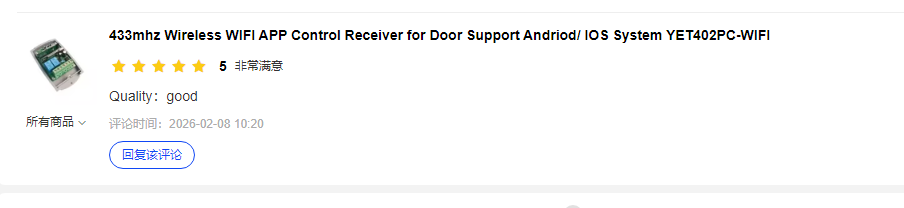
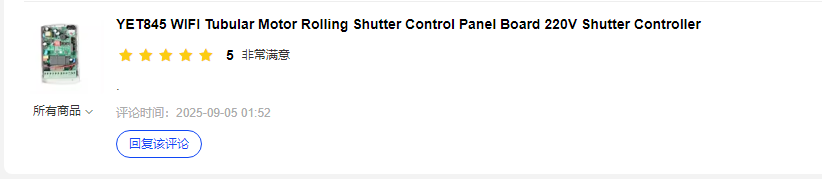


And here is the Alibaba link for some our universal controllers:
YET610 Infrared Beam Sensor – Customer Feedback About Quality & Installation
Uses and Advantages of Multi-Frequency Copying Remote Controls
Related Article